
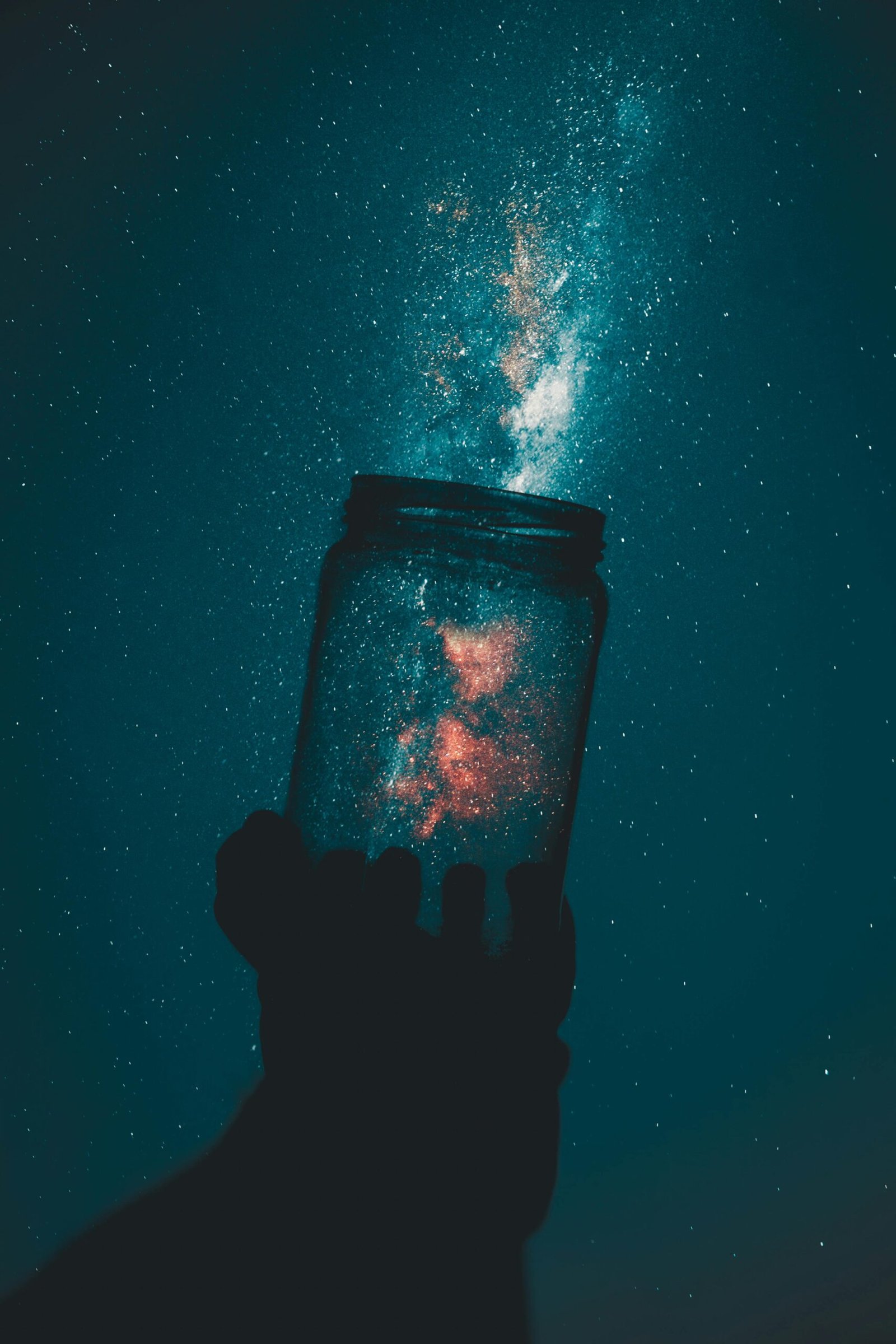
In March 2026, the story of galactic evolution is being rewritten. For decades, we believed galaxies formed slowly, like vast cosmic puzzles assembling piece by piece. However, data from the James Webb Space Telescope (JWST) has revealed “The Big Bang’s Brightest Secret”: massive, mature galaxies existed much earlier than our models predicted.
Galactic formation is now understood as a violent, beautiful, and highly efficient process of “Cosmic Scaffolding.”
🏗️ 1. The Foundation: Dark Matter Halos
Galaxies do not start with stars; they start with Dark Matter.
- The Seeds: In the first second after the Big Bang, tiny fluctuations in density created “clumps” of dark matter.
- The Gravity Well: Because dark matter doesn’t interact with light, it collapsed first, creating massive “halos.” These halos acted as gravitational sinks, pulling in vast clouds of primordial hydrogen and helium gas.
- The First Stars: As this gas fell toward the center of the halo, it compressed and heated up, eventually igniting the first generation of stars (Population III stars), which were hundreds of times more massive than our Sun.
🌪️ 2. The Protogalaxy Phase (Cosmic Dawn)
Between 200 million and 500 million years after the Big Bang, these small star clusters began to merge.
- Hierarchical Assembly: Small “protogalaxies” collided and fused to form larger structures.
- The Disk Formation: As a protogalaxy grows, the conservation of angular momentum causes it to flatten into a rotating disk—the birth of a Spiral Galaxy.
- JWST 2026 Update: We have recently discovered “The Impossible Galaxies”—massive disks existing just 350 million years after the Big Bang. This suggests that gas cooled and collapsed into stars much faster than previously thought, or that “Dark Matter seeds” were larger than expected.
🎨 3. The Mature Phase: Spiral to Elliptical
Once a galaxy is formed, its life is dictated by its “fuel” (gas) and its “environment” (neighbors).
- The Spiral Era: Most galaxies start as spirals. They are “blue” because they are actively birthing hot, young stars in their gas-rich arms.
- The “Quenching” Event: As the Supermassive Black Hole at the center grows, it begins to blow gas out of the galaxy. This “feedback” starves the galaxy of fuel, causing star formation to slow down.
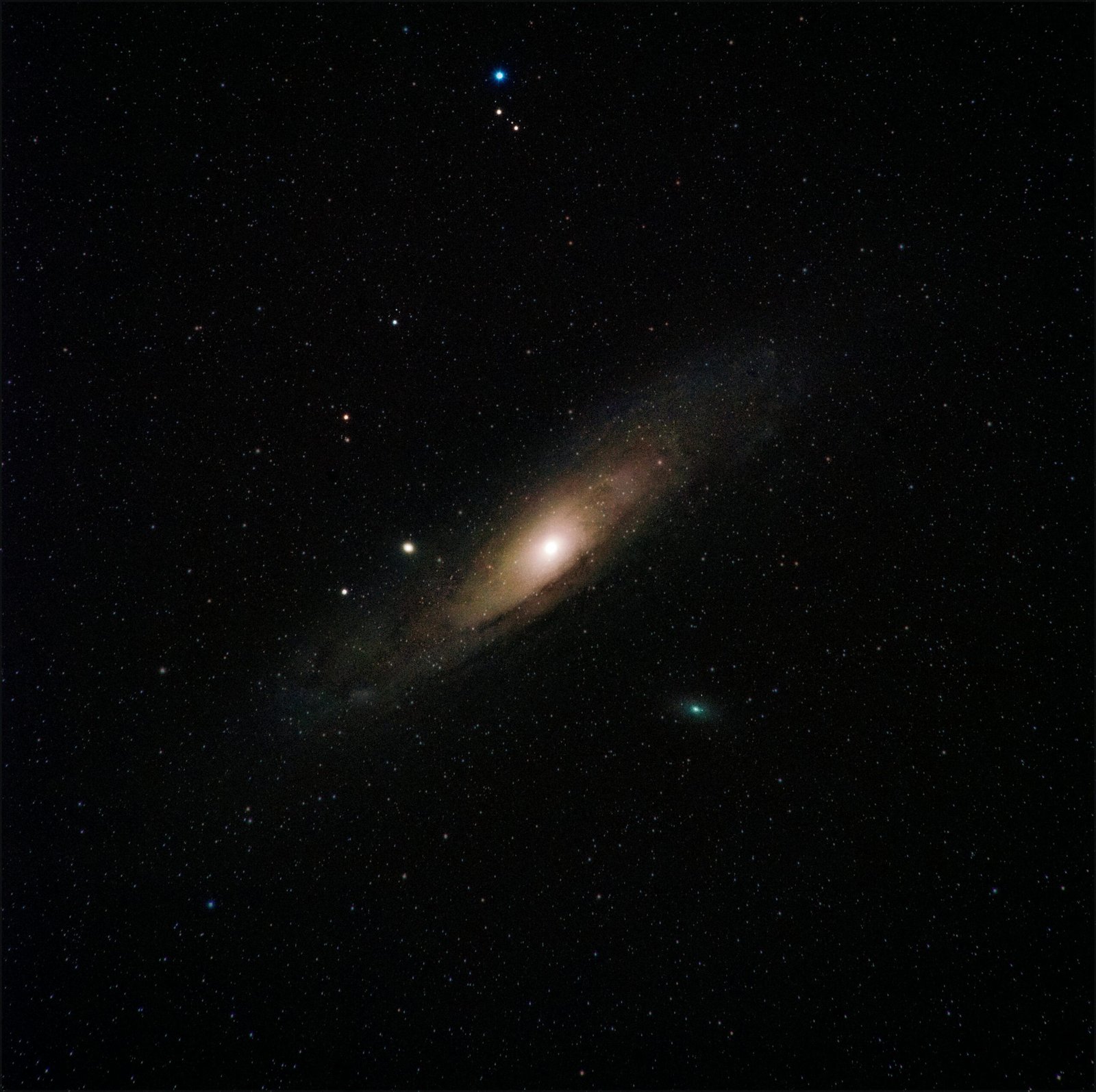
- The Grand Merger: When two large spirals collide (like the Milky Way and Andromeda will in several billion years), the chaos strips away the remaining gas. The result is a “dead” Elliptical Galaxy, composed mostly of old, red stars with no new stars being born.
📊 Galactic Life Cycle (2026 Model)
| Stage | Appearance | Primary Activity | Star Color |
| Early | Irregular / Clumpy | Rapid gas accretion; mergers. | Bright Blue |
| Middle | Spiral / Barred | Steady star formation in disks. | Blue & Yellow |
| Late | Elliptical | “Quenched”; no new stars. | Red / Orange |
🕸️ 4. The Cosmic Web: The Large-Scale Structure
Galaxies do not float randomly. They are strung along a vast, invisible network called the Cosmic Web.
- Filaments: Long “strings” of dark matter where gas and galaxies accumulate.
- Nodes: The intersections of these filaments, where massive Galaxy Clusters (containing thousands of galaxies) form.
- Voids: The empty “bubbles” between filaments where almost no matter exists.
💡 5. The 2026 Perspective: “The Galaxy as an Organism”
Modern astrophysics now treats galaxies as “engines” that breathe. They pull in “fresh” gas from the cosmic web, “exhale” processed elements (like oxygen and carbon) via supernova explosions, and eventually “die” when their internal black hole cuts off their air supply.
Why it matters: Every atom in your body—the calcium in your bones and the iron in your blood—was forged inside a star and then ejected into the “galactic bloodstream” billions of years ago. To study galactic evolution is to study the history of our own chemical origin.
- Summarize the latest JWST findings on high-redshift galaxies
- Create a comparison table of Galaxy Quenching theories
- Draft an executive summary on the Cosmic Web filaments


Leave a Reply